
The Allure of Casino Gambling
Casino gambling captivates millions around the world, with its vibrant atmosphere and the thrill of potential winnings. This allure can be attributed to several psychological factors, including the excitement of risk-taking and the chance to escape from everyday life. Many players often find interest in casino sites not on gamstop as they seek the adrenaline rush associated with gambling, which provides a temporary distraction from their daily challenges. This psychological escape is a powerful motivator that keeps players returning to the casino floors.
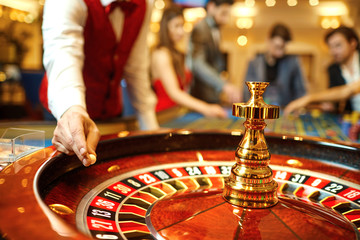
Moreover, the sensory experience of casinos plays a crucial role in attracting gamblers. The sounds of slot machines, the sight of flashing lights, and the allure of glamorous surroundings are designed to heighten excitement and engagement. This stimulation creates an environment where players can immerse themselves, leading to longer gaming sessions and increased spending. The psychology of the environment is carefully curated to enhance the overall gambling experience and foster a sense of community among players.
The Role of Cognitive Biases in Gambling
Cognitive biases are inherent psychological tendencies that can significantly influence gambling decisions. One notable example is the gambler’s fallacy, where individuals believe that past events affect future outcomes. For instance, if a roulette wheel has landed on red several times in a row, a player may erroneously think that black is «due» to occur. This type of thinking can lead to irrational betting strategies and ultimately, increased losses.
Another common cognitive bias is confirmation bias, where gamblers seek out information or experiences that confirm their pre-existing beliefs about winning. This might manifest in players only remembering their wins while conveniently forgetting their losses. These biases not only affect individual gambling strategies but also contribute to the overall behavior of players in a casino environment, as they become entrapped in a cycle of misguided belief and risk-taking.
Strategies and Their Psychological Underpinnings
Many gamblers develop specific strategies to navigate the world of gambling, often based on psychological principles. For instance, the Martingale system, which involves doubling bets after losses to recover funds, appeals to the human desire for control and predictability. Gamblers may feel empowered by adhering to such strategies, believing they have a systematic approach to beat the odds, even though the long-term efficacy is questionable.
Additionally, the use of «hot» and «cold» streaks as part of a strategy demonstrates how players attempt to analyze patterns that may not exist. This reliance on perceived trends is rooted in the psychological need to find order in randomness, further demonstrating how mental frameworks impact decision-making in casinos. Such strategies, while often grounded in psychological tendencies, can lead to significant financial consequences when the realities of chance are disregarded.
The Impact of Social Influences on Gambling Behavior
The social environment of casinos can profoundly affect gambling behavior. Many individuals are drawn to gambling not only for the thrill but also for the social interactions it facilitates. Group dynamics can create an atmosphere that encourages risk-taking, as players feed off each other’s excitement and emotions. This communal aspect can intensify the gambling experience, leading to increased bets and a shared sense of euphoria during wins.
Moreover, casinos capitalize on this social aspect by designing spaces that encourage interaction, such as communal gaming tables and lounge areas. The interconnectedness of social influence and gambling behavior underscores the importance of understanding the psychological motivations driving individuals to gamble. As players become part of a community, their behaviors may shift significantly, often leading to riskier choices and greater expenditure.

Understanding the Importance of Responsible Gambling
As we explore the psychology behind gambling strategies, it becomes essential to address the significance of responsible gambling. Understanding the mental traps and cognitive biases that can impact decision-making is vital for players to maintain a healthy relationship with gambling. Education on the risks and realities of gambling can empower individuals to make informed choices and recognize when their strategies may be leading them astray.
On this website, we prioritize the safety and well-being of our users, offering resources and support for those who may need assistance with gambling-related issues. By cultivating an environment that promotes awareness and responsible practices, we aim to enhance the gambling experience while mitigating the risks associated with excessive play. Through understanding the psychological underpinnings of gambling strategies, we hope to foster a culture of informed, enjoyable, and responsible gaming.

